French Cuisine
In 2010, UNESCO inscribed the "gastronomic meal of the French" on its Intangible Cultural Heritage list — not as a recipe collection, but as a social ritual: a multi-course feast marking births, weddings, reunions, and everyday gatherings. The recognition formalised what the culinary world had long understood: French cuisine sets the global standard for cooking technique. Auguste Escoffier (1846–1935) was the architect of that standard — his Le Guide Culinaire codified classical methods and structured the professional kitchen in a way that endures to this day.
At the heart of French cooking are butter, cream, and wine — not indulgences, but everyday essentials. Sauces form their own discipline: five "mother sauces" (béchamel, velouté, hollandaise, espagnole, and tomato) give rise to hundreds of derivatives. Provençal herbs — thyme, rosemary, lavender — define the south; the north turns to foie gras, truffle, and aged cheese. Techniques like flambéing, slow braising, and sous-vide originated in French professional kitchens and became the common language of modern gastronomy.
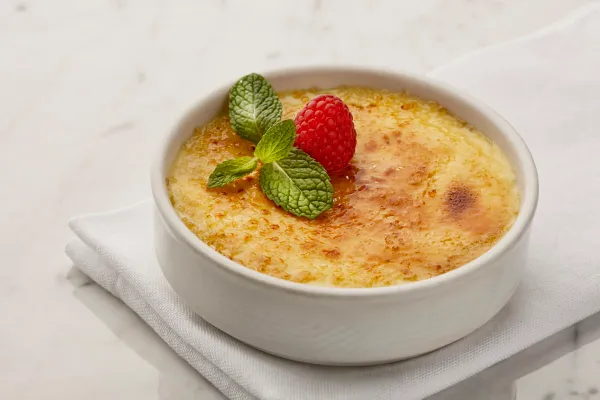
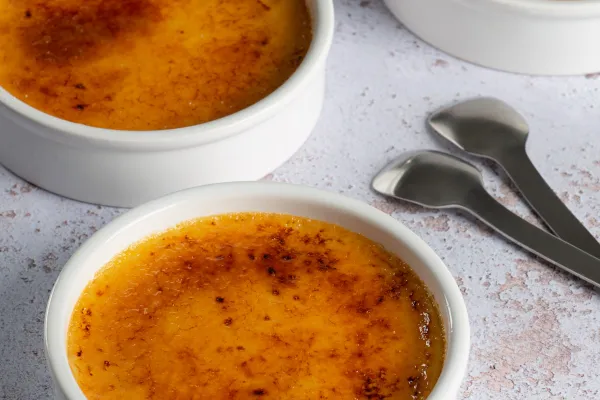
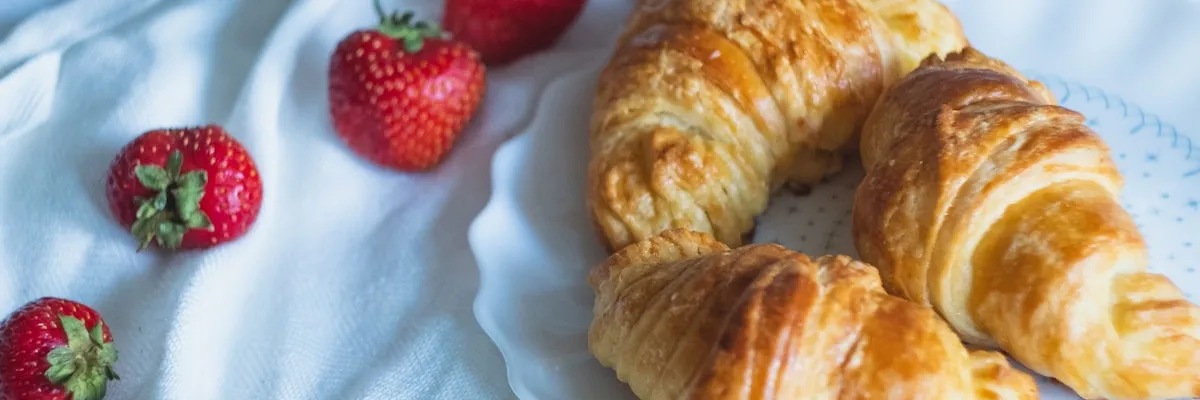
The iconic dishes of French cuisine are known the world over. A croissant — laminated butter dough baked to a deep amber — is the definitive morning pastry. French onion soup, blanketed in melted Gruyère, is the warming classic of Parisian bistros. Coq au vin braises chicken in Burgundy wine with mushrooms and shallots. Boeuf bourguignon lets beef simmer in red wine for hours until it yields completely. Quiche Lorraine fills a pastry shell with cream and smoked lardons. Ratatouille is a Provençal stew of aubergine, courgette, and tomato. For dessert: crème brûlée with its crackling caramel crust, or tarte Tatin — an upside-down apple tart invented by accident.
A French meal follows a deliberate arc: aperitif, starter, main course, cheese, dessert, coffee. France counts more than three hundred distinct cheeses — Charles de Gaulle once noted that governing a country with so many varieties is no easy task. Wine is not an afterthought but part of the setting: white Burgundy with fish, red Bordeaux with meat, Sauternes with foie gras. A neighbourhood bistro and a twelve-course Michelin tasting menu occupy opposite ends of the same tradition — both equally serious about what is on the plate.
Georgia and France share a deep respect for wine as culture. Georgian winemaking predates France's by millennia — yet both arrive at the same table: good food demands time, attention, and good company.