Italian Cuisine
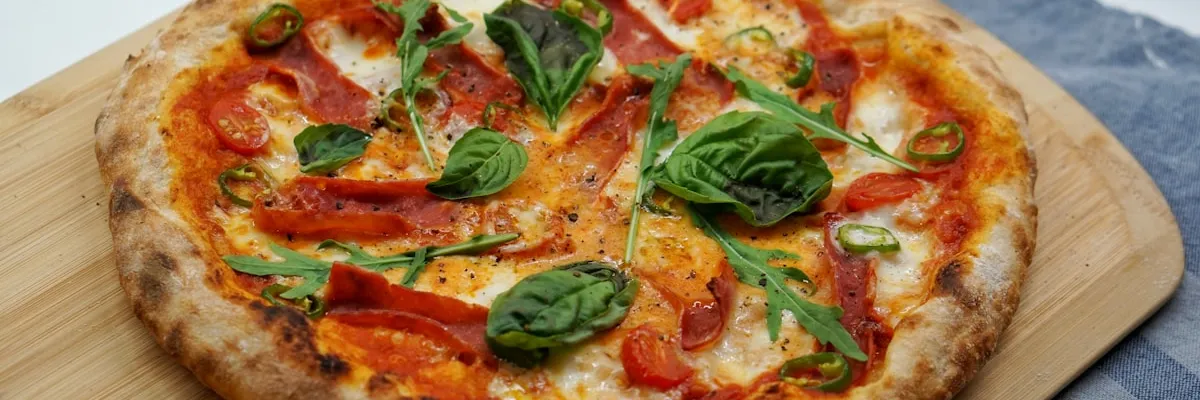
Few culinary traditions have shaped the world's food culture as deeply as Italy's. In 2017, UNESCO inscribed the art of Neapolitan pizza-making on its Intangible Cultural Heritage list — recognising it as a living craft passed down through generations of pizzaiuoli. Yet pizza is just one window into this vast culinary world. Italian cuisine is not a single thing but a mosaic of regional traditions, each with its own logic, history, and flavour profile.
At its core, Italian cooking is built on restraint and quality. Extra-virgin olive oil, sun-ripened tomatoes, fresh basil, buffalo-milk mozzarella, and aged Parmigiano-Reggiano are not embellishments — they are the point. Pizza dough is left to ferment for 24 to 72 hours so the gluten can fully develop. Pasta is cooked strictly al dente, with that characteristic resistance when you bite through. A wood-fired oven at 450°C bakes a Neapolitan pizza in 90 seconds, keeping the topping moist while scorching the cornicione with leopard-spot char.
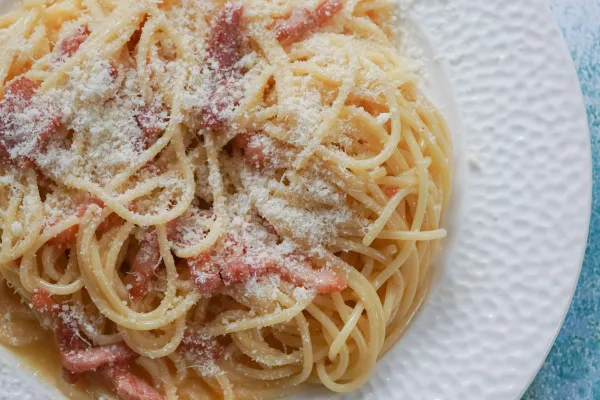
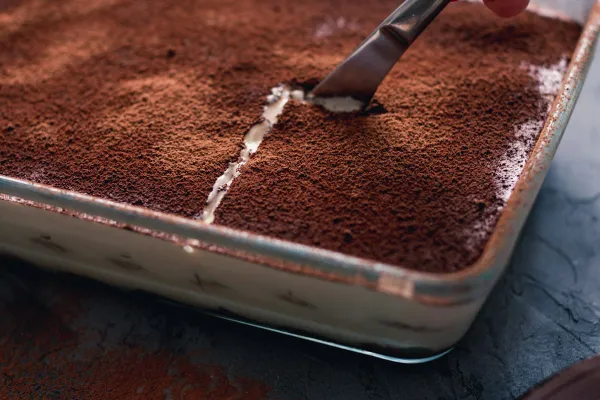
The canon of Italian dishes reads like a global menu. Pizza Margherita — tomato, mozzarella, basil — mirrors the colours of the Italian flag. Carbonara is guanciale, egg yolks, and Pecorino Romano, with no cream involved, despite what countless restaurant menus suggest. Risotto alla Milanese gets its gold colour and heady aroma from saffron, finished with butter and Parmesan until the rice releases its own starch into a loose, flowing cream. Ossobuco is slow-braised veal shank crowned with gremolata — lemon zest, garlic, parsley. Caprese — sliced tomatoes and mozzarella with olive oil — is a lesson in what confidence in your ingredients looks like. And tiramisu, layers of espresso-soaked savoiardi and mascarpone cream with a dusting of cocoa, has become the world's most recognised Italian dessert.
The Italian meal is structured like a story, not a single act. It moves through antipasti, then primo (pasta or risotto), secondo (meat or fish with a side), and finally dolce with espresso. A Sunday lunch at an Italian family table can stretch to three hours and no one considers that unusual. Regional differences are stark: Naples is tomatoes, olive oil, and fire; Bologna is egg pasta and slow-cooked meat ragù; Sicily carries centuries of Arabic influence — capers, saffron, almonds, citrus — layered into dishes that taste unlike anywhere else in Italy.
Georgia and Italy share a table philosophy that goes beyond food: hospitality as a statement of identity, wine grown from ancient vines, and a meal as the right setting for anything worth saying. Italian cuisine has found a natural home in Tbilisi and across Georgia — two cultures that understand that a good table is never just about eating.